Home Blog

What is Bancassurance

0

Bancassurance means selling insurance product through banks. Banks and insurance company come up in a partnership wherein the bank sells the tied insurance company’s insurance products to its clients.

Kenya


Bancassurance arrangement benefits both the firms. On the one hand, the bank earns fee amount (non interest income) from the insurance company apart from the interest income whereas on the other hand, the insurance firm increases its market reach and customers.

The bank acts as an intermediary, helping insurance firm reach its target customer in order to increase its market share.

TRAVEL START Travelstart Domestic

Bancassurance enables a bank to satisfy the risk protection needs of its clients without assuming underwriting risk. Both life and non-life insurance business provide additional flow of float funds besides fee based income to banks, through the same channel of distribution and with the same people

With the opening up of the insurance sector and with so many players entering the Kenyan insurance industry, it is required by the insurance companies to come up with innovative products, create more consumer awareness about their products and offer them at a competitive price.

New entrants in the insurance sector had no difficulty in matching their products with the customers’ needs and offering them at a price acceptable to the customer.

But, insurance not being an off the shelf product and one which requiring personal counseling and persuasion, distribution posed a major challenge for the insurance companies.

Further insurable population of over one billion spread all over the country has made the traditional channels of the insurance companies costlier.

Also due to heavy competition, insurers do not enjoy the flexibility of incurring heavy distribution expenses and passing them to the customer in the form of high prices. With these developments and increased pressures in combating competition, companies are forced to come up with innovative techniques to market their products and services.

At this juncture, banking sector with it’s far and wide reach, was thought of as a potential distribution channel, useful for the insurance companies. This union of the two sectors is what is known as Bancassurance.

Bancassurance is a new concept in financial services sector means using the bank’s distribution channels to sell insurance products. The idea behind Bancassurance is to combine the manufacturing capability sand selling culture of insurance companies with the distribution network and large receptive client base of banks. It is a phenomenon wherein insurance products are offered through the distribution channels of the banking services along with a complete range of banking and investment products and services.

To put it simply, Bancassurance tries to exploit synergies between both the insurance companies and banks. Bancassurance if taken in right spirit and implemented properly can be win-win situation for the all the participants’, banks, insurers and the customer.

Lawyers in insurance Claims

0

Some duties commonly associated with a lawyer include: providing legal advice and counsel, researching and gathering information or evidence, drawing up legal documents related to divorces, wills, contracts and real estate transactions, and prosecuting or defending in court.

There are different Types of Lawyers for the Most Common Legal Problems

  • Criminal Lawyer. Criminal lawyers are attorneys who are knowledgeable about criminal law. …
  • Personal Injury Lawyer. …
  • Workers Compensation Lawyer. …
  • Bankruptcy Lawyer. …
  • Family Lawyer. …
  • Immigration Lawyer. …
  • Estate Planning Lawyer. …
  • Intellectual Property Lawyer.
  • Intellectual Property Lawyer
  • Civil Litigation Lawyer

In insurance, each office must establish a panel of lawyers. The panel of lawyers must be consist of experienced lawyers in issues of Insurance law, Personal Accident, Third Party claims and both civil and criminal law. A register is set on all matters referred to lawyers and the files be diarized for subsequent follow up.

  1. The feasibility of having in-house lawyers at the regional and branch level in a company is always explored on a cost/ benefit analysis basis.
  2. A panel of a certain number of economically viable lawyers is set up dependent on their expertise, experience, size and the fee charged. Experience has shown that the smaller the firm the more effective it is in attending to matters. High profile advocates also tend to be over committed and should not be over relied on unless on specific cases

Lawyers are used where their expertise is required.

Lawyers will be used on matters that are likely to end up in or are already in court.

A copy of the relevant parts of the file can be forwarded to them on appointment if they work on part-time basis or case by case.

Information required by Insurers when an Insurance Claim/Accident happens

7

The essence of insurance is to pay valid claims when they happen. It is the duty of the insurance company to compensate its customers when they face a loss. In achieving this, insurers would have to be sure that the loss happened and that they would admit liability on behalf of their customer.   

The following information will be required by most insurers but the practice varies from one service provider to the other depending on their company policies and procedures

  1. The Date and time of the occurrence of loss
  2. The Location of loss
  3. The Nature and description of loss
  4. The Date and time of you report the loss
  5. The Person the loss is reported to first in the company or the claims officer
  6. The Person providing or reporting information
  7. The Contact person Name and phone number or email
  8. Approximate size of the loss at hand
  9. The description of how loss occurred
  10. Confirmation of police involvement and an abstract of the same
  11. In case there were third involved, the insurer would request for the contact details of other parties involved and the nature and extent of their losses (if any)

Consumer Protection Laws that Apply to Insurance in Kenya

0

There are several laws that protect all insurance consumers in Kenya. This laws ensure that the customer is protected and his/her rights are protected. Insurance customers are the most protected customers in Kenya. Some of the laws that exist are

The Constitution of Kenya

  • Article 46 talks about the consumer rights.
  • Article35 details everything one needs to know about his/her right Ito information
  • Article 47 gives the customer a fair  administrative procedure
  • Article 22 touches on enforcement of bill of rights

Consumer protection

  • Section 3 (4) on purpose of the Act:
    • Promoting fair and ethical business practices
    • Protecting consumers from improper trade practices
    • Improving consumer awareness and informed consumer choices and behavior
    • Promoting consumer confidence and empowerment

The Insurance act

  • The provisions run through the Act including:
    • Section 3 talks about mandate
    • Section 5 has details on contracts
    • Section 74 & 75 touches on rates
    • Section 76 talks about right to pay
    • Section 77 touches on default of payments
    • Section 80 is on policy documents
    • Section 87 talks about the cooling off period
    • Section 114 is on Terms and actions expected  
    • Section 120 is on winding up
    • Section 156 talks about premiums
    • Section 164 is on adverts
    • Section 179 outlines details about the Policy compensation fund(PCF)
    • Section 196A is on register
    • Section 203 touches on claims

Competition

  • One of the objectives of the Act is to protect consumers from unfair and misleading market conduct.
  • Creates the following offences
    • False and misleading representations
    • Unconscionable conduct in business practices

Other key legal frameworks that exist

  • Treating customers fairly principles
  • Unclaimed assets Act
  • The proceeds of crime and Anti-money laundering Act
  • IRA prudential guidelines
    • Corporate Governance Guidelines
    • RBA Guidance for Life Insurance Sector
    • Guidelines on Reinsurance Issued in February 2013
    • Insurance Market Conduct for Intermediaries
    • IRA Anti-Money Laundering Guidelines

Common ways you can pay your Premium to you insurance company

0
  1. Through Direct Debit Instructions
  2. Through Standing Order instructions
  3. Through Check-off/Salary deduction
  4. Through Mpesa
  5. Through Cash
  6. Through Cheque
  7. Through Electronic funds transfer
  8. insurance Premium Financing (IPF)

Predictive Underwriting in Life insurance

0

This is the process of using predictive models to give insights into the day-to-day underwriting processes of a life insurer. For example, to determine the profile of the client beforehand and determine which people are fast tracked and those that require a medical report

Examples of predictive models we have are Models that use statistics to score the risk profiles of potential clients and provide insights as to which clients require further investigation, e.g medical checkup. With such models, we can now require less people to go through the rigorous process of underwriting & verification hence improving the sale process. This predictive models can be automated in the IT system.

The model can be used in life assurance for several functions e.g.

  • Agent selection(selection of productive agents
  • Customer segmentation by determining which customers will buy life insurance
  • Cross selling where they could determine which existing customer can purchase another product
  • Price optimization- different prices for different channels
  • Risk selection – risk scoring, ordering underwriting requirements
  • Detection of fraud from over insurance or anti-selection
  • Pricing
  • Reserving in the insurance

Predictive models can be developed as follows

  1. Data Mining – Establish Patterns, Collect data, clean data and assign data distribution
  2. Logic & Algorithm – Develop decision trees & identify factors and predictors
  3. Build Model (can be repetitive) – Build, Test & Calibrate
  4. Validate
  5. Implement & Document
  6. Monitor and Recalibrate

Popular predictive models that exist are;

  1. Decision Trees
  2. Regression Trees
  3. Cox Model
  4. Generalized Linear Model
  5. Logistic Regression
  6. Regression Spline
  7. Neural Networks
  8. K-Nearest Neighbour

The advantages of predictive models are;

  1. Prediction- Customers are happy if the sale process is shortened or the sale is warmer (selling to a client already looking for a particular product)
  2. Some prediction models require minimal statistical knowledge – neural nets
  3. Various statistical methods available for prediction models
  4. Usage of already collected data to improve business process – insurers with rich history, strong data integrity can leverage – perfect for online business

The disadvantages we have with predictive models

  1. The model may be wrong
    • If not checked/updated/calibrated regularly with recent data
    • Overfitting/wrong predictors
    • May not make sense (common sense)
  1. Black box – nobody knows what is inside it
  2. May depend on modeller (biased by perceptions)
  3. Requires IT infrastructure, data (lots of it) and human capital

Role of Insurance in the development of the emerging African middle-class

0

 Insurance plays a major role in the development of the community. Traditionally, risk management has been practiced among African communities in different ways. Basically, risk managed has been done through risk retention, risk transfer and sharing of the risks at hand.

Risk retention has been done through self-insurance. Most individuals do this through their own salaries and wages. This has been effective but for most families but has been challenging at some point as diseases like cancer that require a lot funds have drained many families. The outbreak of the corona virus was also an eye opener as most individuals having lost their jobs could not afford basic needs that includes medical care. Self-insurance can also be done through borrowing from family, friends or money lenders. Kenya has seen a rise in mobile money lending. Over the years, we have seen self-insurance that has been done through sell or pledging of assets.

In some African countries, risk management is done through risk transfer. This normally happens through social protection services. For instance, public health services or disability compensation schemes would exist.

In extreme cases, risk management in a typical African society would be done by sharing the risk in the form of informal groups. This is very common in the society. Various groups you will find are welfare associations, burial societies, church group loans, fundraisers and mutual. Welfare associations in Kenya are referred to us Chamas and most have really excelled in terms of sharing risk.

Travel insurance

0

Individuals travelling within Kenya or overseas face various risks. Some of these risks commence before the journey starts; such as the risk of losing any monies paid if the holiday has to be cancelled.

For other risks, cover only commences once the journey begins; such as the risk of needing medical treatment or having some property stolen.

Two types of policy are available:

  • single trip; cover must be arranged each time a trip is undertaken
  • annual; cover is automatically provided for all trips undertaken within a twelve month period (subject to a limited number of days per trip or per year)

Optional Benefits/Extensions You will find on a Travel Insurance Policy

0

In addition to the basic sections of policy cover, some or all of the following extensions may be available, depending on what each insurer has decided to include in its particular package of cover. Some may be automatically included; others may require the payment of an additional premium:

  • Hospital cash benefit: provides for a daily benefit whilst the insured person is confined to hospital.
  • Delayed baggage: provides monies to make essential purchases of clothing and toiletries needed as a result of baggage being delayed for at least twelve hours.
  • Travel interruption: covers the additional cost of accommodation and travel due to the failure of public transport to deliver the insured person to the departure point, on either the outward or the return journey in time to travel. Some insurers may extend cover to include delays caused by the insured’s car breaking down or being involved in an accident.
  • Travel delay: covers the delay of the aircraft, ship or train on which the insured is booked to travel for at least twelve hours, due to strike or industrial action, adverse weather conditions or mechanical breakdown or structural defect. A fixed benefit is paid for each twelve hours’ delay. Alternatively, the insured can cancel the trip after twelve hours delay and cover is provided for the resultant charges made by the tour operator or carrier.
  • Pet care: a benefit is provided for each 24 hours that a cat or dog receives in-patient veterinary treatment as a result of suffering an injury, whilst being cared for whilst the insured is on holiday.
  • Hijack and mugging: provides cover where the insured is delayed in reaching their destination as a result of the transport they are travelling on being hijacked. The insurance Cover is also provided if the insured receives in patient treatment following mugging.
  • Loss of passport: cover is provided for the additional travelling and accommodation costs to obtain a replacement passport following loss or theft. Cover also includes the cost of a temporary replacement passport.
  • Legal expenses: covers the legal costs in pursuing claims for death or bodily injury to the insured person whilst on holiday, caused by the fault of a third party. A legal helpline is also provided.
  • Business travel: cover is extended to include travelling on business for clerical and administrative tasks only. Liability arising from business trips is not covered.
  • Winter sports; covers the winter sport activities listed in the policy booklet. Cover usually extends to include loss of or damage to winter sports equipment, delays to the insured’s arrival or departure from the resort caused by an avalanche, piste closures and accidental injury or illness during the trip, with inner limits applying to each element of cover.
  • Catastrophe or disaster cover: provides cover if the insured cannot stay in their pre-booked and pre-paid accommodation because of a ‘disaster’, such as fire, earthquake, tidal wave, avalanche, hurricane, medical epidemic, etc.  Cover includes the necessary extra travel and accommodation expenses to allow the insured to continue with their trip or to return to Kenya if they cannot continue with their trip.

Each section of cover is subject to a limit of liability/sum insured and sometimes an excess.

Travelstart Domestic

Home Insurance Cover?

0

There are three main home insurance types: 

  1. buildings only insurance, 
  2. contents only insurance, or 
  3. Combined buildings and contents cover.

Here’s a summary of what they cover:

  • Cover for Alternative accommodation cover for all your family and pets
  • Cover for Building insurance
  • Cover for Contents
  • 24 hour claims helpline
  • Family legal expenses cover
  • Home emergency cover

Building insurance may come in different packages as below;

Buildings only insurance

Covers the cost to repair or replace the actual bricks and mortar of your home if it’s damaged or destroyed by things like fire, water leaks or storms. Outbuildings such as sheds and garages are also covered, as are permanent fixtures like fitted kitchens and bathroom suites.

Contents only insurance

Protects your personal belongings against loss or damage caused by things like theft, attempted theft, fire, smoke, water leaks and weather-related damage. Items covered include everything from your sofa and TV to your bed and clothes. You can take out extra cover for high-value items and items you take away from the home, like bicycles.

Combined buildings and contents

Combines the above types of cover into one, easier-to-manage policy. Taking out combined insurance means you only have one renewal date to remember and you’re likely to get a discount on your premium too.

How does a Personal Accident Insurance Cover Work

0

This insurance Cover is usually arranged on an annual basis. It is available as a stand-alone policy, but is often purchased as an add-on to another policy, such as travel, motor, household and Life Policies. Sickness cover is usually only available as an add-on to personal accident insurance, as insurers view it as presenting a greater degree of risk.

Insurance Cover is provided in the event of accidental death or bodily injury for:

  1. capital sums: This is a one off lump sum payment in the event of death or certain specified injuries
  • Weekly benefits: This is payable for a maximum of 104 weeks, if the insured is temporarily disabled due to an accident. 

1. The capital benefits of a Personal accident insurance cover are:

  • Death: The death must occur within 12 months of the accident for the benefit to be payable. It should have occurred during the period with which the policy was in force.
  • Total loss of sight in one or both eyes
  • Total loss of one or both limbs: The loss must occur within 12 months (sometimes 24 months) of the accident
  • Permanent total disablement: This is not payable until at least 12 or 24 months after the accident, as it may take this length of time to determine whether the disablement is both permanent and total. The disability is normally declared by a certified medical Doctor. 
  • Permanent partial disablement: a lump sum is payable on a sliding scale depending upon the part of the body affected.

2. The weekly benefits are:

  • Temporary total disablement: this is paid when the insured is unable to carry out his/her usual occupation
  • Temporary partial disablement: this is paid when the insured is unable to carry out a substantial part of his/her usual occupation.

Limits apply to each of these benefits. Cover is often bought in ‘units’; for example, 1 unit of cover may equal a capital sum of Kshs.1, 000,000. The proposer can buy as many units as they like provided they are able to pay the premium. However, insurers try to ensure that any weekly benefits are not greater than the insured’s normal earnings, as it may encourage fraudulent claims.

Sickness cover only provides weekly benefits. The Cover is subject to a 7 day franchise and excludes sickness contracted within the first 21 days of the commencement of the policy period. This waiting period varies from company to company according to the wording provided in the policy document.

Cover usually only applies within the following geographical limits:

  • Personal accident – worldwide
  • Sickness – Kenya. Sickness cover may be extended beyond these normal limits, subject to an additional premium.

The typical age limits which apply when taking cover out are:

  • Personal accident: 18 – 70 years
  • Sickness: 18 – 60 years.

Details insurance companies request for before they issue insurance for your car?

0

When taking out car insurance, you’ll need to submit details about you and your car.

Here are some details you’ll be asked to give:

  1. Your Car registration number
  2. Your Driving license number
  3. Your Address and work address if you’ll use the car for work
  4. Years of no-claims discount
  5. Estimated value of your car
  6. Details of claims and convictions/motoring offences (if applicable)
  7. Estimated annual mileage
  8. Copy of KRA Pin
  9. Copy of Logbook

How long should one take to get insurance when you buy a car?

0

Many times when one buys a car, it would be insured by the seller of the car or it may not. The buyer could also be having reservations on the class of motor cover they would want to insure their car under.

This varies from one insurance firm to the other. If you change your car mid-policy, you need to inform your insurer before you start driving it. They’ll need to adjust your details and may charge an administration fee. It’s likely that it will alter the price you pay for insurance cover which means you could end up paying more or less for the insurance cover.

Legally, you have to insure a car if you want to drive it away or use it. It is illegal in most countries to drive a car without insurance and this would attract a huge fine or a jail term if authorities caught you driving a vehicle without insurance. Third party class is normally mandatory in most countries. The easiest way to do this is to get a quote before you pick it up, then all you need to do is call the an insurer or visit their website to activate the policy. You can still be assisted on bima mtaani site to do this

Why you Need an Insurance Savings Policy

0

In Life, We are all looking for a good Life and to provide the best for our families: food, shelter, clothing, transport, and certain luxuries to an extent. In addition, we must ensure that family social occasions, like marriage, graduation, and other important anniversaries, are celebrated with dignity. Our children must get the best start in life that we can afford. And, what about the capital that we need in order to venture out into our own business on the path to financial freedom?

A savings insurance policy is normally designed to meet this needs. Most policies will pay a lump sum payment on maturity while other will split the payments in partial payments either after maturity or within the policy term. In addition, a savings insurance policy will provide the security that, should your death or permanent disability rob your family of its source of income, these financial goals can still be met.

Say, you wanted to purchase a house in 10 years and you will require close to Kshs. 3,000,000 to bear this financial responsibility. Taking into account the inflation and building costs over this time, you could use an insurance savings Plan by paying a premium of Kshs. 18,750/- per month to meet this need.

Features of a savings Plan insurance policy

  • Benefits and bonuses are usually payable based on the sum assured and policy term chosen by you.
  • Premiums are normally pre-determined and fixed, based on your selection, affordability and cost of need.
  • The policy term can varies according to customer needs and maybe between 5 to 30 years depending on your financial plan.
  • Premium payments can be made monthly, quarterly, semi-annually, or annually, through a variety of convenient methods such as Cash, MPESA, Direct Debit, Bankers order and through Salary Deduction.
  • On death of the life assured, the Sum assured will become payable immediately on death.
  • Maturity benefit payable as a lump sum or in instalments
  • Most savings policies offer loans on against the policy value and most of them are available after 3years
  • There is a Tax relief benefit of 15% of the premium paid up to a maximum of Kshs. 60,000/-
  • Most savings policies have a free-look period of 30 days where you are allowed to cancel the policy and be refunded or make necessary changes.
  • Savings policies offer Bonus which is an addition to the Sum Assured, declared annually by the insurance company, representing the excess of the actual investment return over the expected return.
  • The minimum age at entry is normally 18 years while the maximum age will be determined by the insurance firm.
  • Most insurers will have a minimum premium and sum assured but no maximum premium or sum assured.
  • Most savings policies will acquire cash and paid-up values after the payment of at least 3 full years’ premium and after it has been in force for at least 3 years.

Additional benefits will get under a Savings Insurance Policy

1.     Accidental Death Benefit
On death of the life assured due to an accident, an additional amount equivalent to the sum assured will become payable immediately on death.
2.     Total and Permanent Disability

On total and permanent disability of the life assured due to an accident, an amount equal to the policy sum assured will become payable in equal monthly instalments over a period of 36 months from the date of the accident.

3.     Waiver of Premium

Remaining premiums are waived if the life assured is totally and permanently disabled due to accident or illness.

4.     Adult Accident Hospitalization

In case of an accident leading to the injury and hospitalization of the life assured, the insurer will reimburse the in-patient medical expenses incurred subject to a certain maximum.

How does Car Insurance Work

0

Insuring a car’s a very straightforward process and there are 3 main types of car insurance covers.

  • third  party
  • third party fire and theft
  • Comprehensive car insurance.

Third party

This is the minimum level of insurance required by Kenyan law. If you’re involved in an accident, it covers damage to the other person’s property, but costs to repair or replace your car will come from your pocket. You won’t be compensated if your car is stolen or damaged by fire, either.

Third party fire and theft

Third party fire and theft offers the same over as a third party policy, but you’re also covered if your car’s stolen or damaged/destroyed by fire. This means that there are additional covers for third party and theft.

Comprehensive

This insurance provides you with the highest level of cover when you’re on the road. If you’re involved in an accident, the policy will pay out for costs associated with you and the third party. This insurance also offers protection against fire and theft.

It is important to note that People assume third party policies are the cheapest. But because more people claim on this type of insurance, they can cost just as much, sometimes more than comprehensive policies. Even if comprehensive cover is a little more expensive, you benefit from a far greater level of protection on the road.

How Does an Education Insurance Policy Work

0

Education is very key to the success of an individual and the society at large. Every parent/guardian would love their children to have a good education to help them in associating well in the society and compete with other people in today’s world for the scarce opportunities available. A good education equips one with everything they need to help them achieve economic freedom and to make their dreams come true. Quality education for your child’s should therefore be your top priority.

However, due to uncertainties such as the increasing costs of higher education, insufficient funds or the premature death of one, both parents and basically the bread winner, a child may not be able to complete his education or pursue his/her future dreams. This is the reason as to why his/her future should be anticipated

Education policies allow you to save in advance. Assuming you have a child who will require fees for high school and university. You can contribute a small amount of money on monthly basis and thereafter, when you require school fees, the insurer will pay. This is normally done after a certain specified time. A school fees policy will also pay school fees in the event of your untimely death. For example, if you had taken a policy for 10 years and unfortunately lost your life in an accident after contributing for just 1month, the insurer will still pay the entire school fees when it’s due.

The target amount in a school fees is normally referred to us the sum assured. Assuming you are targeting to have Kshs. 2 million in the next 5 years, your sum assured will be the Kshs. 2 million. This amount is normally paid on maturity of the policy. The insurer will add bonuses to this two million. Bonuses are normally declared every year according to the performance of the insurer financially and would normally be a percentage of the sum assured. In our case example, if the company you have taken a policy with declares a bonus of 5% on each year. Our yearly bonus will be 5% of Kshs. 2,000.000/- which will give a yearly bonus of Kshs. 100, 000/- translating to Kshs. 500, 000/- total bonuses. On maturity of the policy the insurer in our case example will pay Kshs. 2,500,000/-. An education policy will also pay in case of Permanent disability of the client.

It is important to note that in an education policy, the parent or guardian is normally the Life assured and the child will be the beneficiary. The premiums payable will be pre-determined and fixed based on the agreement between the insurer and the customer at the inception of the policy. The amount payable will depend on the customer and the value they have attached to the child’s education. An education policy allows you to determine the period of the policy based on when you need the money. You are allowed to choose a flexible way of paying premiums like on monthly basis, quarterly, half yearly, annually or by paying a single deposit. This could be done through your employer, through the bank, paying directly to insurers at their branches or through Mobile money transfers like MPESA and Airtel money. You can purchase this policies directly from the company, through an insurance agent, through banks and brokers. Bima mtaani can still assist you in getting cheaper and more efficient policies.

It is worth noting that anyone above the age of 18years can purchase an education policy in Kenya. Some companies will fix a minimum premium or amount payable but there is normally no maximum limit for the sum assured. Some companies will also have a maximum entry age. Most companies have 60 years which is the normal retirement age for Kenya but some will extend this to 70years.

Most education policies will acquire cash and paid up values after the payment of at least 3 full years’ premiums and after it has been in force for at least 3 years. This means that this policy can be cashed after three years of being in-force. This will vary from company to company with some policies in other companies acquiring a cash value after 1 year.

The amount paid for all insurance policies is based on age of the applicant with young people paying less. This shows you that the earlier you join the better. An individual is allowed to take as many policy as they want according to the number of children they have and their capability.

Here is a summary of the benefits you will get under an education policy.

  • The Maturity benefit will normally be paid as a lump sum or in installments based customer preferences and education needs.
  • All education policies may offer you loans with flexible repayments and this is normally secured by policy value. You do not need any other security to take a loan
  • There is a Tax relief benefit of 15% percent of the premium paid. For instant if you are paying Kshs. 5000/-, you will get a relief of Kshs. 750. In essence you will be paying a monthly contribution of Kshs. 4,250/-. This means on monthly basis, you are saving a total of Kshs. 750/- before the insurer awards you bonuses.
  • On total and permanent disability of the life assured due to an accident, an amount equal to the policy sum assured will become payable in equal monthly installments over a period of 36 months from the date of the accident.
  • The company of your choice will normally waive the remaining premiums if the life assured is totally and permanently disabled due to accident or illness.
  • In case of an accident leading to the injury and hospitalization of the life assured, the company will reimburse the in-patient medical expenses incurred subject to a certain maximum of percentage of the policy sum assured. Some companies will fix a limit for this reimbursement.
  • In case of an accident involving the named beneficiary child leading to injury and hospitalization, the child’s hospitalization expenses will be reimbursed up to a certain maximum of percentage of the policy sum assured. Some companies will fix a limit for this reimbursement.

IMF Signals Global Economic Resilience Amid Ongoing Shocks

0

The global economy continues to demonstrate resilience despite persistent shocks ranging from geopolitical conflicts and high interest rates to inflationary pressures and climate-related disruptions. According to the International Monetary Fund (IMF), growth has remained steadier than many analysts predicted, even as major economies navigate tightening financial conditions and heightened uncertainty.

While risks remain elevated, the IMF’s assessment offers cautious optimism — particularly for emerging and developing economies that have weathered recent global turbulence better than expected. For policymakers, businesses, and households, the message is clear: resilience does not mean immunity, but it does signal adaptability.


What the IMF Means by “Economic Resilience”

Economic resilience refers to an economy’s ability to absorb shocks, adjust to changing conditions, and continue growing without systemic collapse. In recent years, the world has faced an unprecedented series of disruptions, including:

  • The lingering effects of the COVID-19 pandemic

  • Supply chain breakdowns

  • Global inflation spikes

  • Rising interest rates

  • Geopolitical conflicts

  • Climate and energy shocks

That global growth has continued, albeit unevenly, suggests that economies have adapted through policy reforms, diversification, and structural adjustments.


Key Drivers of Global Resilience

1. Cooling Inflation

Inflation, which surged in many countries, has begun to moderate. While prices remain elevated in some regions, the pace of increase has slowed, easing pressure on households and central banks.

2. Stronger Financial Systems

Banks and financial institutions entered recent shocks with stronger capital buffers and improved regulation compared to previous crises. This has helped prevent widespread financial instability.

3. Adapted Supply Chains

Global supply chains have adjusted through diversification, near-shoring, and improved logistics. Although costs remain higher, disruptions are less severe than in earlier years.

4. Policy Learning

Governments and central banks have applied lessons from past crises, responding more decisively with targeted fiscal support and monetary policy tools.


Uneven Growth Across Regions

Despite overall resilience, the IMF emphasizes that growth remains uneven.

Advanced Economies

Many advanced economies face slower growth due to high interest rates, aging populations, and fiscal constraints. Consumer demand has softened, and investment growth remains cautious.

Emerging and Developing Economies

Several emerging markets have shown stronger momentum, supported by domestic demand, commodity exports, and structural reforms. However, debt vulnerabilities remain a concern.

Low-Income Countries

Low-income economies continue to face the greatest challenges, including limited fiscal space, high borrowing costs, and exposure to climate shocks.


What This Means for Africa

Africa’s economic outlook reflects both opportunity and vulnerability.

Positive Signals

  • Improved macroeconomic management in some countries

  • Rising intra-African trade under regional frameworks

  • Growth in digital services and fintech

  • Commodity demand supporting export revenues

Ongoing Risks

  • High public debt levels

  • Currency volatility

  • Climate-related shocks

  • Dependence on external financing

The IMF’s message for Africa is one of cautious optimism — progress is possible, but reforms remain essential.


Implications for Kenya

For Kenya, the IMF’s outlook carries several important implications.

Inflation and Cost of Living

Easing global inflation could reduce pressure on import prices, offering some relief to consumers and businesses.

Interest Rates and Borrowing

If global financial conditions stabilize, borrowing costs may gradually ease, improving access to credit for both government and private sector players.

Trade and Exports

A resilient global economy supports demand for Kenyan exports, including agricultural products, manufactured goods, and services.

Fiscal Discipline

The IMF’s analysis reinforces the need for prudent fiscal management, debt sustainability, and revenue reforms to maintain economic stability.


Risks That Could Undermine Resilience

Despite positive signs, the IMF warns that several risks could derail progress:

  • Escalation of geopolitical conflicts

  • Prolonged high interest rates

  • Financial market volatility

  • Climate-related disasters

  • Slower growth in major economies

Resilience, therefore, should not breed complacency.


What Policymakers Should Focus On

To sustain resilience, the IMF emphasizes:

  • Structural reforms to boost productivity

  • Investment in infrastructure and human capital

  • Strengthening social safety nets

  • Climate adaptation and mitigation strategies

  • Regional and global economic cooperation

For emerging economies, reform momentum is critical to converting resilience into long-term growth.


Resilience Is Not Recovery — Yet

It is important to distinguish resilience from full recovery. While the global economy has avoided worst-case scenarios, many households still face high living costs, unemployment challenges, and income inequality.

True recovery will require inclusive growth that translates macroeconomic stability into improved living standards.

U.S. Political Turmoil Raises Questions About Democracy and Data Privacy

0

Political developments in the United States have once again placed democracy and data privacy under intense global scrutiny. Legal disputes over access to voter data, controversial political statements, and growing mistrust in electoral systems are fueling debates about how democratic institutions should function in the digital age.

As one of the world’s most influential democracies, events in the U.S. often resonate far beyond its borders. For countries watching closely — including emerging democracies — the situation offers important lessons about governance, technology, and the protection of citizen rights.


The Intersection of Democracy and Data

Modern democracies rely heavily on data. Voter registers, digital identification systems, and online campaign tools are now central to elections and governance. However, increased reliance on data has also introduced new risks.

In the U.S., recent legal challenges have centered on:

  • Who can access voter information

  • How voter data can be used

  • Whether political actors should have broad access to sensitive personal details

These questions strike at the heart of democratic trust. While data can improve efficiency and transparency, misuse or overreach can undermine public confidence and raise privacy concerns.


Why Voter Data Is So Sensitive

Voter data typically includes personal information such as names, addresses, voting status, and sometimes party affiliation. If improperly accessed or used, this information can be exploited for:

  • Political manipulation

  • Targeted misinformation campaigns

  • Voter intimidation or suppression

  • Commercial or unauthorized profiling

In democratic systems, safeguarding voter data is essential to ensuring free, fair, and credible elections.


Political Polarization and Institutional Trust

The current debates are unfolding against a backdrop of deep political polarization in the United States. Trust in institutions — including electoral bodies, courts, and the media — has declined significantly in recent years.

When political leaders question election processes or seek broader access to voter data, it can:

  • Erode confidence in democratic outcomes

  • Normalize institutional confrontation

  • Encourage public skepticism toward governance systems

Democracy depends not only on laws and systems, but also on shared norms and mutual trust.


The Legal Dimension: Courts as Democratic Referees

Courts play a critical role in resolving disputes over democratic processes. In the U.S., judges have been called upon to interpret constitutional protections, privacy laws, and electoral rules.

These legal battles highlight a key democratic principle:
no institution or political actor is above the law.

Judicial oversight acts as a safeguard against abuse of power, but frequent litigation can also signal systemic stress within democratic frameworks.


Data Privacy in the Digital Age

Beyond elections, the U.S. debates reflect a broader global challenge — how to regulate data in an era of advanced technology and artificial intelligence.

Key concerns include:

  • Who owns personal data

  • How long data should be retained

  • Whether governments should access private data

  • How to balance national security with individual rights

Many democracies are struggling to modernize laws fast enough to keep pace with technological change.


Global Implications of U.S. Democratic Challenges

Because of its global influence, U.S. political developments often set precedents.

1. Norm-Setting

Countries may cite U.S. actions to justify their own policies — either to strengthen protections or, in some cases, to weaken them.

2. Democratic Credibility

When democratic standards appear contested in established democracies, it can undermine global advocacy for democracy and human rights.

3. Lessons for Emerging Democracies

For countries like Kenya and others in Africa, the U.S. experience underscores the importance of:

  • Strong legal frameworks

  • Independent institutions

  • Transparent electoral processes

  • Robust data protection laws


What This Means for Kenya and Similar Democracies

Kenya, like many countries, is increasingly digitizing government services and electoral systems. The U.S. experience offers several key lessons:

Strengthen Data Protection Laws

Clear rules on data access, usage, and storage are essential to protect citizens and maintain trust.

Maintain Institutional Independence

Electoral bodies, courts, and oversight institutions must remain insulated from political pressure.

Promote Civic Education

Citizens need to understand how their data is used and how democratic systems function to resist misinformation.

Balance Transparency and Privacy

While transparency is vital, it should not come at the expense of individual rights.


Democracy Under Pressure, Not Decline

While headlines may suggest crisis, it is important to distinguish between democratic stress and democratic collapse. Public debate, legal challenges, and institutional checks are, in many ways, signs of democracy in action.

The key question is whether systems emerge stronger — with clearer rules and restored trust — or weaker, with entrenched divisions and diminished legitimacy.

Canada–China Strategic Partnership Signals a Shift in Global Trade Dynamics

0

Canada and China have announced a new strategic partnership aimed at deepening economic cooperation, trade, and investment ties — a move that signals a notable shift in global trade dynamics. At a time when geopolitical tensions, protectionism, and economic fragmentation are reshaping international commerce, the partnership underscores a growing willingness by middle and major powers to diversify alliances and pursue pragmatic economic interests.

While the agreement primarily affects North America and Asia, its implications extend far beyond the two countries. For emerging economies, including those in Africa, the partnership highlights changing global power alignments and raises important questions about future trade flows, supply chains, and diplomatic strategy.


What Is the Canada–China Strategic Partnership?

The partnership focuses on expanding cooperation in areas such as:

  • Trade and market access

  • Investment and industrial collaboration

  • Energy and natural resources

  • Technology and innovation

  • Climate and sustainability initiatives

Although details are still emerging, both governments have described the agreement as economically significant and forward-looking. It comes at a time when many Western economies are reassessing their dependence on traditional trade partners and seeking to balance political concerns with economic realities.


Why This Partnership Is Significant

1. A Shift Away from Binary Trade Blocs

Global trade has increasingly been framed as a competition between Western economies and China. Canada’s decision to deepen economic ties with China signals a more nuanced approach — one that prioritizes economic opportunity while managing political risk.

This move reflects a broader trend in which countries seek flexible partnerships rather than rigid alignment with any single power bloc.

2. China’s Continued Economic Pull

Despite slowing growth and geopolitical headwinds, China remains one of the world’s largest markets and manufacturing hubs. Canada’s engagement demonstrates that access to Chinese demand, capital, and supply chains remains strategically important.

3. Canada’s Diversification Strategy

Canada has long sought to reduce over-reliance on a limited number of export markets. Strengthening ties with China allows it to diversify trade relationships and reduce vulnerability to economic shocks.


Global Trade Implications

Reshaping Supply Chains

The partnership could influence global supply chains, particularly in energy, minerals, agriculture, and manufacturing. Increased Canada–China cooperation may redirect investment flows and production decisions, affecting suppliers and competitors worldwide.

Increased Competition for Emerging Markets

As major economies strengthen bilateral ties, emerging markets may face stiffer competition for Chinese and global investment. Countries that fail to position themselves strategically risk being sidelined in evolving trade networks.

Potential Softening of Trade Fragmentation

While global trade remains fragmented, agreements like this suggest that economic pragmatism continues to outweigh ideological divides in many cases.


What This Means for Africa and Kenya

Changing Investment Priorities

China is a major investor across Africa. Stronger economic ties with Canada could influence how Chinese capital is allocated globally, potentially affecting infrastructure, energy, and manufacturing investments on the continent.

Opportunities for Triangular Trade

Africa may benefit indirectly through triangular trade arrangements, joint ventures, and shared value chains involving Canadian expertise, Chinese manufacturing capacity, and African resources or markets.

Lessons for African Trade Strategy

The partnership highlights the importance of:

  • Diversifying trade partners

  • Avoiding over-dependence on any single market

  • Balancing political alignment with economic interests

For Kenya, which has recently expanded trade access to China, the deal reinforces the value of proactive economic diplomacy.


Risks and Challenges

Geopolitical Sensitivities

Canada–China relations have experienced periods of strain in the past. Political disagreements, security concerns, or human rights issues could complicate long-term cooperation.

Regulatory and Trust Barriers

Differences in regulatory frameworks, business practices, and governance standards may limit the pace and depth of collaboration.

Global Power Rivalries

The partnership will be closely watched by other global powers, particularly the United States and European Union, potentially influencing future trade negotiations.


A Signal to the World

Beyond its economic substance, the Canada–China partnership sends a broader message: global trade is becoming more multipolar. Countries are increasingly pursuing flexible, interest-driven relationships rather than aligning exclusively along ideological lines.

This trend may benefit nations that can navigate complexity, maintain diplomatic balance, and adapt quickly to shifting global realities.


What Comes Next?

The long-term impact of the partnership will depend on:

  • Implementation of agreed trade and investment measures

  • Private sector response and confidence

  • Stability of diplomatic relations

  • Global economic conditions

If successfully executed, the partnership could become a model for pragmatic engagement in an era of uncertainty.

Kenya Climbs the Henley Passport Index: What the Improved Ranking Means for Citizens

0

Introduction

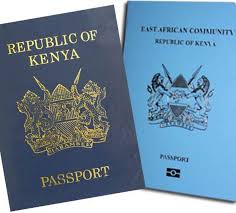
Kenya’s improved position on the Henley Passport Index marks more than just a symbolic diplomatic achievement. It reflects the country’s expanding global engagement, stronger bilateral relations, and growing international trust. For ordinary Kenyan citizens, the rising passport ranking has practical implications — from easier travel and business opportunities to enhanced global mobility and national prestige.

As countries increasingly compete for influence, investment, and talent, passport strength has emerged as a key indicator of a nation’s diplomatic reach and international standing. Kenya’s upward movement on the index signals progress, but it also highlights the work still required to unlock the full benefits of global mobility.


Understanding the Henley Passport Index

The Henley Passport Index ranks passports based on the number of destinations their holders can access visa-free or with visa-on-arrival. The index uses data from international aviation authorities and is widely regarded as the global benchmark for passport strength.

A higher ranking means:

  • Fewer visa requirements

  • Lower travel costs and bureaucracy

  • Faster cross-border movement

  • Greater international trust

Kenya’s improved ranking indicates that Kenyan passport holders can now access more countries with reduced administrative barriers compared to previous years.


What Has Driven Kenya’s Improved Ranking?

Several factors have contributed to Kenya’s rise on the Henley Passport Index.

1. Strengthened Diplomatic Relations

Kenya has steadily expanded its diplomatic engagement through bilateral agreements, regional cooperation, and active participation in international forums. Visa waivers and reciprocal arrangements often follow improved diplomatic ties.

2. Regional and Continental Integration

Initiatives such as the African Continental Free Trade Area (AfCFTA) and regional blocs have enhanced intra-African mobility. Many African countries now offer visa-free or visa-on-arrival access to Kenyan citizens.

3. Improved Global Perception

Political stability, economic reforms, and Kenya’s role as a regional hub for finance, diplomacy, and humanitarian operations have contributed to growing international confidence.


What This Means for Kenyan Citizens

Easier Travel and Reduced Costs

Visa applications are often expensive, time-consuming, and unpredictable. Improved passport strength reduces these barriers, making international travel more accessible for students, tourists, and professionals.

Expanded Business Opportunities

Entrepreneurs and investors benefit significantly from mobility. Easier access to foreign markets allows Kenyan businesspeople to attend trade fairs, negotiate contracts, and explore partnerships without lengthy visa processes.

Education and Professional Growth

Students and professionals seeking short-term courses, conferences, and international exposure can move more freely, enhancing skills development and global competitiveness.


Economic Implications for Kenya

Boost to Trade and Investment

Countries with stronger passports are often viewed as safer and more reliable partners. Improved mobility supports outbound and inbound trade missions, strengthens commercial diplomacy, and can attract foreign investors.

Tourism Growth

As Kenya’s international image improves, reciprocal travel arrangements may encourage tourism flows, benefiting airlines, hospitality businesses, and local communities.

Diaspora Engagement

Greater mobility makes it easier for Kenyans abroad to maintain economic and social ties with home, supporting remittances, skills transfer, and investment.


Limitations and Realities Behind the Ranking

While the improved ranking is encouraging, it is important to manage expectations.

Visa-Free Does Not Mean Border-Free

Visa-free access does not guarantee entry. Immigration officers still assess travelers based on purpose of visit, financial means, and return intentions.

Major Destinations Still Require Visas

Key destinations such as the Schengen Area, the United Kingdom, and the United States remain visa-restricted for Kenyan citizens. These destinations significantly influence perceptions of global mobility.

Passport Strength Is Dynamic

Rankings can rise or fall based on geopolitical shifts, security concerns, or policy changes. Sustaining gains requires consistent diplomatic engagement.


What Kenya Can Do to Improve Further

Deepen Bilateral Agreements

Targeted visa-waiver negotiations with strategic trade and investment partners could further enhance mobility.

Strengthen Document Integrity

Secure passport systems and robust border controls build international confidence and reduce concerns about fraud or overstays.

Leverage Economic Diplomacy

Trade, investment, and cultural exchange agreements often pave the way for relaxed travel arrangements.

Promote Regional Leadership

Kenya’s leadership role in East Africa and Africa at large can support broader continental mobility initiatives.


Why Passport Power Matters in a Globalized World

In an interconnected global economy, mobility is increasingly tied to opportunity. Passport strength affects:

  • Access to global markets

  • Exposure to innovation and skills

  • International collaboration

  • National competitiveness

For young populations like Kenya’s, improved mobility can unlock education, entrepreneurship, and employment pathways that drive long-term development.

Kenya Secures Near-Zero Tariff Access to China: A Trade Breakthrough with Big Implications

0

Kenya has secured near-zero tariff access for a broad range of its exports to the Chinese market, marking one of the most significant trade breakthroughs in the country’s recent economic history. The move is expected to strengthen bilateral trade ties, boost export earnings, and open new growth opportunities for Kenyan businesses targeting one of the world’s largest consumer markets.

As global trade patterns continue to shift and competition for export markets intensifies, this development positions Kenya more favourably within Asia–Africa trade relations. However, while the deal presents major opportunities, it also raises important questions around preparedness, competitiveness, and long-term economic impact.


What Does “Near-Zero Tariff Access” Mean?

Near-zero tariff access means that eligible Kenyan goods entering the Chinese market will attract little to no import duty. This significantly lowers the cost of Kenyan products in China, making them more competitive against exports from other countries that still face standard tariff rates.

For exporters, reduced tariffs translate into:

  • Lower landed costs in the destination market

  • Improved price competitiveness

  • Higher potential profit margins

  • Increased demand from international buyers

In practical terms, Kenyan producers may now find it easier to penetrate the Chinese market, scale exports, and secure long-term supply contracts.


Key Sectors Set to Benefit

The agreement is expected to benefit several strategic sectors of the Kenyan economy:

1. Agriculture

China represents a massive market for agricultural produce. Kenyan exports such as tea, coffee, avocados, macadamia nuts, and fresh fruits stand to gain significantly. Reduced tariffs could help Kenyan farmers and cooperatives access higher volumes and better prices.

2. Manufacturing and Value Addition

Textiles, leather products, and light manufactured goods are also poised to benefit. The deal supports Kenya’s industrialisation agenda by encouraging value addition rather than raw exports, which could create jobs and enhance skills development.

3. SMEs and Export-Oriented Businesses

Small and medium-sized enterprises (SMEs), particularly those involved in agro-processing and manufacturing, could access a vast market previously limited by high tariffs and logistical barriers.


Why This Deal Matters for Kenya’s Economy

Boost to Export Earnings

China is one of Kenya’s largest trading partners, but the trade balance has historically favoured imports. Expanded duty-free access offers Kenya a chance to narrow this gap by increasing export volumes and foreign exchange earnings.

Job Creation

Increased production to meet export demand can stimulate employment across farming, processing, logistics, and manufacturing value chains.

Strengthened Global Positioning

The agreement enhances Kenya’s profile as a reliable trade partner and aligns with broader efforts to diversify export destinations beyond traditional Western markets.


The Challenges Behind the Opportunity

Despite its promise, the deal does not automatically guarantee success. Several challenges must be addressed for Kenya to fully benefit.

1. Production Capacity and Consistency

Chinese buyers demand large volumes, consistent supply, and strict adherence to quality standards. Kenyan producers will need to scale up production while maintaining reliability.

2. Quality and Standards Compliance

China enforces rigorous sanitary, phytosanitary, and quality requirements. Exporters must invest in certification, traceability systems, and compliance mechanisms to avoid rejection of goods.

3. Logistics and Infrastructure

Exporting to China requires efficient transport, cold-chain logistics, and timely shipping. Infrastructure bottlenecks could erode the cost advantage created by reduced tariffs.

4. Risk of Over-Dependence

While China offers a vast market, Kenya must guard against over-reliance on a single destination. Export diversification remains critical to economic resilience.


What Government and the Private Sector Must Do Next

To translate policy into tangible economic gains, coordinated action is essential.

Government Priorities

  • Support exporters with market intelligence and trade facilitation

  • Invest in standards agencies and inspection capacity

  • Improve infrastructure and logistics efficiency

  • Promote value addition and industrial growth

Private Sector Responsibilities

  • Upgrade production processes and quality assurance systems

  • Form cooperatives or clusters to meet large orders

  • Invest in branding and market positioning

  • Build long-term relationships with Chinese buyers


A Strategic Moment for Kenya

Kenya’s near-zero tariff access to China comes at a time when global supply chains are being re-evaluated and emerging economies are seeking stronger footholds in international trade. If managed well, this deal could accelerate export-led growth, deepen industrialisation, and strengthen Kenya’s economic resilience.

However, success will depend not just on access, but on execution. The real opportunity lies in Kenya’s ability to move up the value chain, compete on quality, and sustainably meet the demands of a complex and highly competitive market.

How to understand KJSEA Results;

0
Achievement Levels
1. Exceeding Expectations (EE) –
– EE1 : 90 – 100% → 8 points.
– EE2 : 75 – 89% → 7 points
2. Meeting Expectations (ME) –
– ME1: 58 – 74% → 6 points
– ME2 : 41 – 57% → 5 points
3. Approaching Expectations (AE)
– AE1: 31 – 40% → 4 points
– AE2: 21 – 30% → points
4. Below Expectations
– BE1: 11 – 20% → 2 points
– BE2: 1 – 10% → 1 point.
The Highest Possible Point is 8 Points X 9 Learning ares = 72.
36 Points is the average Achievement.

LIFE

0

life is a mystery, we got to live it to the fullest.
Everyday is a new beginning, things can occur
unexpected things can change our desires, our goals,
we got to live by our might.
every day no matter how many challenges we face
trust the process, take time to heal
but not so much time, if you do
things will stop moving, they will stagnate
you will not move on, you will be living life
life like a ghost, no feelings, no friends,
no interactions, life will feel meaningless
we are all facing challenges, what matters is how you move on
how you move foward and overcome the challenges will be the stepping stone
to your new life
another new life, a life created by how you overcome the challenges
take time, move foward, do not stagnate, life is a journey
we all have diffrent destinations
fulfil your destiny and arrive to your destination.
when faced with everyday challenges,
take a break, pause, think of a solution
if not able, seek for help
help is important, a problem once shared is a problem once solved
talk to someone, do not die alone
dying alone in agony is dangerous
sickness, high blood pressure, blood sugar name them
you will end up regretting later
how you lived your pitfull life
leaving your loved ones alone
alone with no one to fend for them,
alone with no love,
alone in the world to suffer
alone with no one to fend for them
your loved ones are your motivation
your source of joy
your strive to move on
your every day motivation
don’t leave them pitful
don’t leave them hurt
build a better future for them
sacrifice for them,
you are their destiny,
you are their hope.
oh life, this is life
full of ups and downs
full of blessings
full of suffering
full of challenges
full of motivations
full of hope
oh life, this is life.
live it to the fullest.

10 Common Insurance Myths in Kenya That Could Cost You Money

0

Insurance in Kenya is often misunderstood. Many people avoid it because of hearsay, misconceptions, or half-truths. Unfortunately, these myths can leave families vulnerable when disaster strikes.

In this article, we bust 10 common insurance myths in Kenya—so you can make smarter financial decisions and protect what matters most.


1. “Insurance is Only for the Rich”

Truth: Insurance is for everyone. NHIF contributions start from as low as KSh 500 per month, and third-party car insurance is legally required for all motorists.


2. “It’s Too Expensive”

Truth: Compared to the cost of medical bills or repairing a car after an accident, premiums are far cheaper. Insurance saves you money in the long run.


3. “NHIF is Enough for My Health Needs”

Truth: NHIF is a great foundation, but it doesn’t cover everything (like specialized treatment in private hospitals). Combining NHIF with private insurance offers better protection.


4. “My Car Insurance Covers Everything”

Truth: Not always. Comprehensive insurance has exclusions (like terrorism, riots, or using your car for Uber without declaring it). Always read the fine print.


5. “Life Insurance is a Waste of Money”

Truth: Life insurance provides financial security for your family in case of death or disability. It’s one of the most important covers you can buy.


6. “Insurance Companies Never Pay”

Truth: Most insurers pay—when claims are valid. Rejections usually happen due to late reporting, missing documents, or undisclosed facts.


7. “I Don’t Need Insurance, I’m Healthy/Young”

Truth: Accidents and illnesses don’t discriminate. Getting cover while young is actually cheaper and easier.


8. “Third-Party Car Insurance Covers My Vehicle Too”

Truth: No—it only covers damage/injury caused to third parties. If you want cover for your own car, you need comprehensive or third-party fire & theft insurance.


9. “Insurance is Too Complicated”

Truth: Insurance terms may seem complex, but with the right advice (like from Bima Mtaani 😉), it’s simple. The key is asking questions before signing.


10. “It’s Better to Save Money Than Buy Insurance”

Truth: Savings are important, but they can’t cover major losses like hospital bills of KSh 1 million or rebuilding after a house fire. Insurance gives financial protection beyond savings.


Conclusion

Don’t let myths stop you from protecting yourself and your family. Insurance in Kenya is not only affordable but also essential for financial security.

👉 The next time someone tells you “insurance doesn’t work”, you’ll know the truth—and you might just help them make a smarter decision too.

How to Make an Insurance Claim in Kenya: Step-by-Step Guide

0

Insurance gives peace of mind—until the day you actually need to make a claim. Many policyholders in Kenya struggle with delays, endless paperwork, or outright rejections simply because they didn’t know the correct process.

This article explains how to successfully make an insurance claim in Kenya—step by step—for motor, health, and property policies. Follow these tips to avoid costly mistakes and ensure your insurer pays out when you need it most.


1. General Steps for Any Insurance Claim

Regardless of the policy type, these steps apply across the board:

  1. Report immediately – Notify your insurer within 24–48 hours.

  2. Gather documents – Police abstract (for accidents), medical reports, receipts, claim forms.

  3. Submit the claim – Fill in the insurer’s official form and attach evidence.

  4. Inspection/Assessment – The insurer may send an assessor to verify damages.

  5. Approval or rejection – The insurer communicates their decision.

  6. Compensation or settlement – If approved, you get paid or repairs covered.


2. How to File a Motor Insurance Claim

If you’re involved in an accident:

  • Report to the nearest police station and obtain an abstract.

  • Take photos/videos of the accident scene and damages.

  • Inform your insurer within 24 hours.

  • Provide: copy of driver’s license, logbook, claim form, police abstract, and photos.

  • Cooperate with the assessor for inspection of the vehicle.

💡 Tip: Never repair your car before assessment—your claim may be rejected.


3. How to File a Health Insurance Claim

When using health cover (NHIF or private):

  • Visit an approved hospital within your insurer’s network.

  • Present your insurance card or policy details at reception.

  • Fill in treatment/claim forms provided by the hospital.

  • For reimbursement claims: submit original receipts, medical reports, and prescriptions to your insurer.

👉 Always confirm whether your treatment requires pre-authorization (common for surgeries and admissions).


4. How to File a Property Insurance Claim

For theft, fire, or other insured risks:

  • Report to the police and obtain an OB number.

  • Notify your insurer within 24 hours.

  • Provide a list of damaged/stolen items with receipts if possible.

  • Allow inspection by the insurer’s loss adjuster.

  • Submit completed claim forms with supporting evidence.


5. Common Reasons Claims Are Rejected

  1. Late reporting (beyond 48 hours).

  2. Missing or falsified documents.

  3. Non-disclosure of key facts when buying the policy.

  4. Excluded risks (e.g., riots, terrorism, unless covered).

  5. Unauthorized repairs/treatment before assessment.


6. Tips to Avoid Delays

  • Keep copies of your logbook, ID, insurance policy, and receipts safely.

  • Save your insurer’s emergency contact numbers.

  • Always read your policy’s exclusions before signing.

  • Follow up regularly but politely with your claims officer.


Conclusion

Making an insurance claim in Kenya doesn’t have to be stressful. By reporting immediately, submitting the right documents, and understanding your policy, you can avoid unnecessary delays and rejections.

👉 Remember: the smoother your documentation, the faster your payout.

Pay SHA via mpesa

0

To pay for the Social Health Authority (SHA) via M-Pesa, go to the M-Pesa menu, select Lipa na M-Pesa > Paybill, and enter 200222 as the business number. Use your National ID number as the account number, then enter the amount and your M-Pesa PIN to confirm the transaction. 

Step-by-step guide: 
    1. *Dial 334#: or go to your M-Pesa menu.
    2. Select Lipa na M-Pesa.
    3. Choose Paybill.
    4. Enter the business number: 200222.
  • Enter your account number, which is your National ID number.
  • Enter the amount you wish to pay.
  • Enter your M-Pesa PIN to authorize the payment.
  • Confirm the transaction to receive a confirmation SMS.

To pay your Social Health Authority (SHA) premium via M-Pesa, go to your M-Pesa menu, select Lipa na M-Pesa, then Paybill, and enter 200222 as the business number. Use your National ID number as the account number, and then enter the specific amount you need to pay. The exact amount varies depending on your income or a means test if you’re self-employed, with a minimum contribution of KES 300 per month for the informal sector. 

Steps to pay via M-Pesa 

    1. Open M-Pesa: Go to your M-Pesa app or the USSD menu on your phone.
    2. Select Lipa na M-Pesa: Choose the “Lipa na M-Pesa” option.
    3. Choose Paybill: Select “Paybill”.
  • Enter Business Number: Input the business number 200222.
  • Enter Account Number: Use your National ID number as the account number.
  • Enter Amount: Enter the exact amount set for your contribution.
  • Enter PIN: Input your M-Pesa PIN.
  • Confirm: Confirm the transaction.
How to determine your payment amount
  • For Employed Individuals:
    Your contribution is 2.75% of your gross income, with a minimum of KES 300 per month. 

    For Self-Employed Individuals:
    You will undergo a means test to determine your premium. This involves a rapid assessment to figure out your premium based on your household size, living conditions, education level, and income. You can also visit a cyber cafe or the Afyangu website for assistance. 

Skip to toolbar